What local approvals, setbacks and association rules must you clear before installing a backyard swim spa?
Before a spa can be delivered, most homeowners need a building or electrical permit, a legal position on the lot, and separate association approval. Here is how those three approvals work and how to sequence them.
Why a spa counts as construction almost everywhere
Buyers often assume that a vessel sitting on top of the ground is furniture rather than construction. Local code usually disagrees. Most adopted residential codes define a pool or spa by the depth of water it can hold, commonly anything above roughly two feet, which places a luxury hot tub and every swim spa squarely inside the pool chapter. That classification triggers a permit application, a plan review covering the pad and the electrical supply, and at least one inspection before the water goes in. Related: How difficult is it to maintain water quality in a swim spa?
The practical consequence is sequencing. The electrical permit is normally pulled by your licensed electrician and inspected before the subpanel and the spa disconnect are energized, and in many towns the inspector wants to see the bonding grid around the pad while it is still visible, not after a deck has been built over it. Have the permit conversation before you accept a delivery date. A spa that lands in the yard while the file is still open becomes an expensive lawn ornament, and unpermitted work tends to resurface later during a home sale or an insurance claim. Related: What foundation does a large swim spa require before delivery day?
Keep reading: How much difference is there between a hot tub and a swim spa?, Which shell material lasts longest in a premium outdoor hot tub?, What does energy efficient insulation really mean for a luxury spa?. See how Spaholm helps you a considered guide to luxury hot tubs and swim spas.
Setbacks, easements and the constraints you cannot move
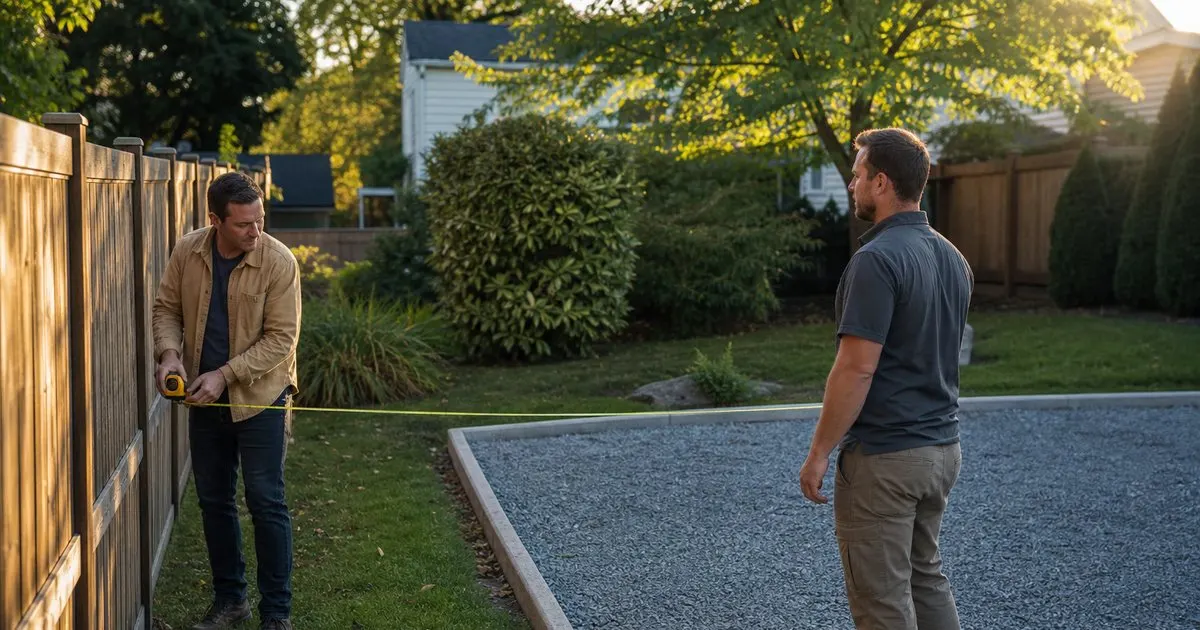
Setbacks are the minimum distances your municipality requires between a structure and each property line, and spas are frequently held to the pool setback rather than the more forgiving accessory structure one. Rear and side yard figures vary widely by zoning district, so pull your plat or survey and measure honestly, including the deck or surround you intend to build, since the dimension usually runs to the outside edge of the finished installation rather than to the shell itself. Related: When does a swim spa make more sense than a full pool?
Easements are the harder constraint, because they do not move for anyone. A utility easement along a rear lot line, a drainage swale, a septic tank with its leach field, or a buried gas or fiber run all impose keep-out zones that a plan reviewer will enforce. Overhead conductors deserve particular attention, since electrical code requires substantial clearance between open service drops and the water surface, and the required distance is larger than most homeowners expect. Call for utility locates early and treat any of these findings as a reason to reposition rather than to argue. Related: What should a homeowner do when the electrical panel cannot support a luxury hot tub?
Barriers, covers and the rules that decide your fence
The barrier requirement is where families are most often surprised. Residential pool codes generally require an enclosure of a specified height with self-closing and self-latching gates around water, and a swim spa is usually treated as water. Many jurisdictions offer an exemption for a hot tub or spa fitted with a rigid, lockable safety cover that meets the recognized industry standard, which is one more reason to specify a premium cover carefully. Whether that exemption exists in your town, and whether it extends to a swim spa, is a question for your building department and not for a sales floor.
Electrical safety rules run alongside the barrier question. Expect a dedicated circuit protected by a ground fault device, a manual disconnect placed within sight of the spa and set back a minimum distance from the water, and a bonding conductor tying the shell, the equipment and any nearby metal, including reinforcing steel in the pad and a metal railing, into a single grid. These are not optional refinements. They are the items an inspector checks first, and the ones that keep both a manufacturer warranty and an insurance policy intact.
Winning association approval without losing the season
If your lot sits under a homeowner association or a recorded deed restriction, architectural review is a separate approval on its own calendar, and a municipal permit already in hand rarely shortens it. Committees often meet monthly, request a site plan showing the spa footprint and its distance to fences, ask for the cabinet color and the height of any surround, and sometimes limit equipment noise or hours of use. A thin submission almost guarantees a second cycle, so send a survey with the footprint drawn to scale, the product dimensions and a short screening note the first time.
Two conditions appear again and again in approvals: visual screening from neighboring lots, and a stated plan for the equipment side of the cabinet. Both are far easier to satisfy at design time than after delivery, and a hedge, a slatted panel or a small level change costs a fraction of relocating a filled spa. Keep the approval letter, the permit card and the final inspection record together with your warranty documents. When you eventually sell, that folder answers the questions a buyer inspector would otherwise raise.
- Most codes classify a hot tub or swim spa with pools, so a permit, a plan review and an inspection are the norm rather than the exception.
- Measure setbacks to the finished edge of the installation, and treat easements, septic fields and overhead conductors as fixed obstacles.
- A barrier may be required unless a listed lockable cover qualifies for an exemption, and the rules on disconnect, ground fault protection and bonding are non-negotiable.
- Start architectural review early with a scaled site plan and a screening plan, then file the approval and inspection records with your warranty.

Julien Jimenez
Julien Jimenez is an independent software builder based in Paris. He designs, ships, and operates focused SaaS products for small businesses and independent professionals. Read the full author page.
Warm Water, Ready When You Are
A considered guide to luxury hot tubs and swim spas. Spaholm is built to help you put this into practice.
Compare spasMore from the Spaholm blog
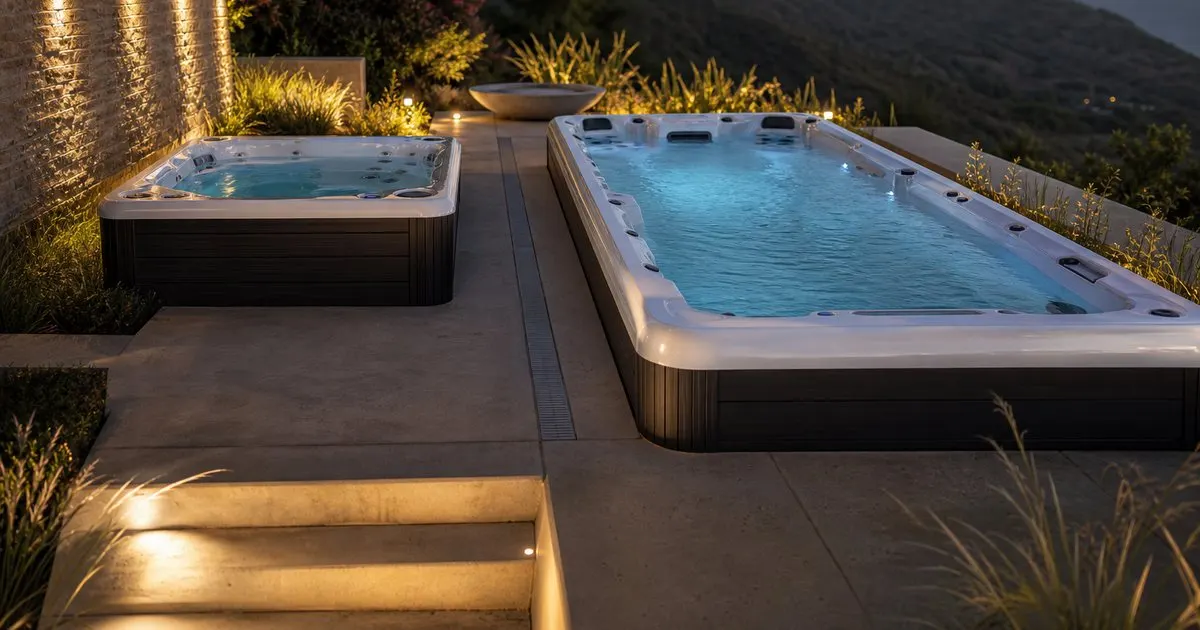
How much difference is there between a hot tub and a swim spa?
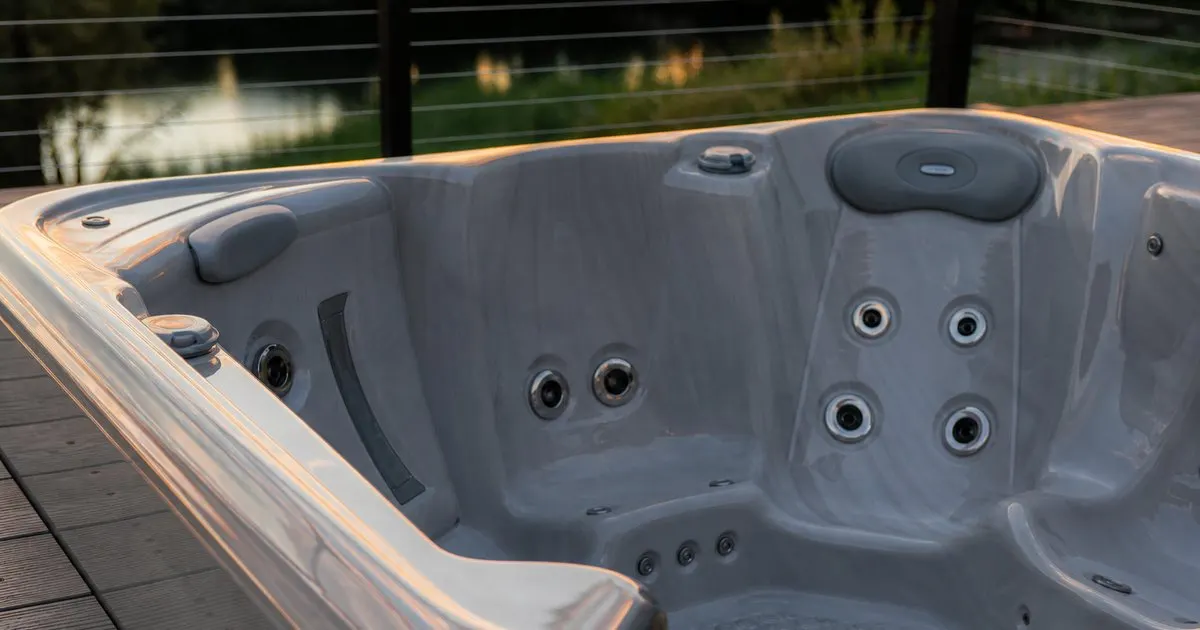
Which shell material lasts longest in a premium outdoor hot tub?
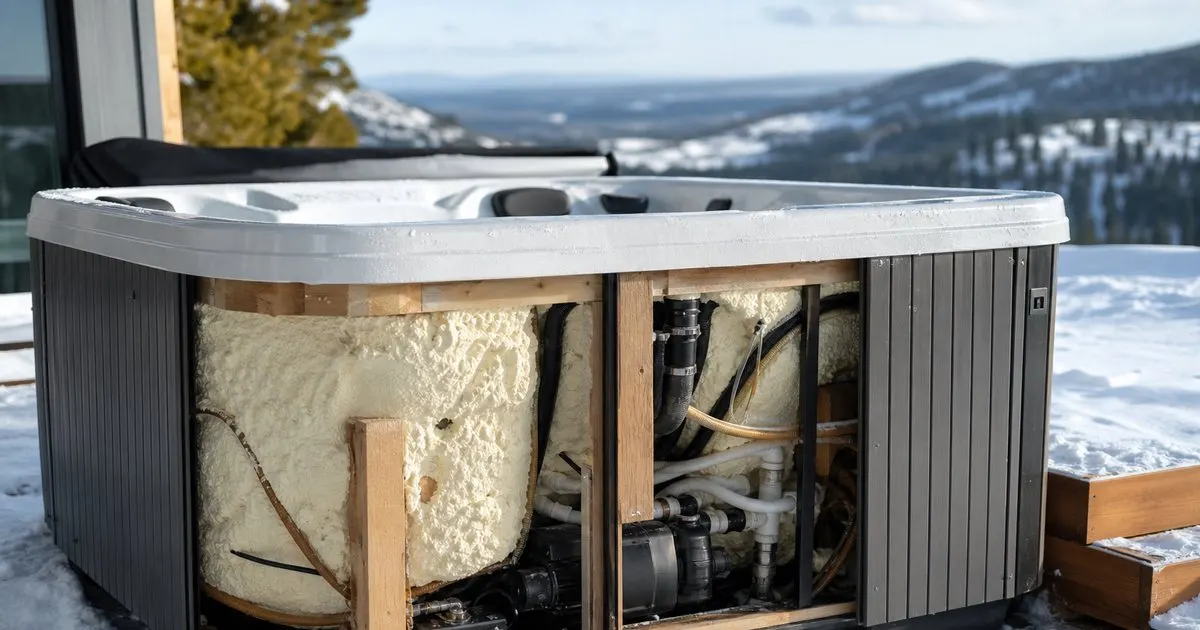
What does energy efficient insulation really mean for a luxury spa?
Get the complete luxury hot tubs and swim spas guide
Our full buying guide, the price guide, and new research as we publish it. One email, no spam, unsubscribe any time.