How long does a luxury hot tub actually last, and what tends to fail first?
A premium shell can outlast two sets of equipment, so the honest answer separates the vessel from the machinery inside it. This is what wears out, in what order, and when a repair stops making sense.
Two clocks run on every spa
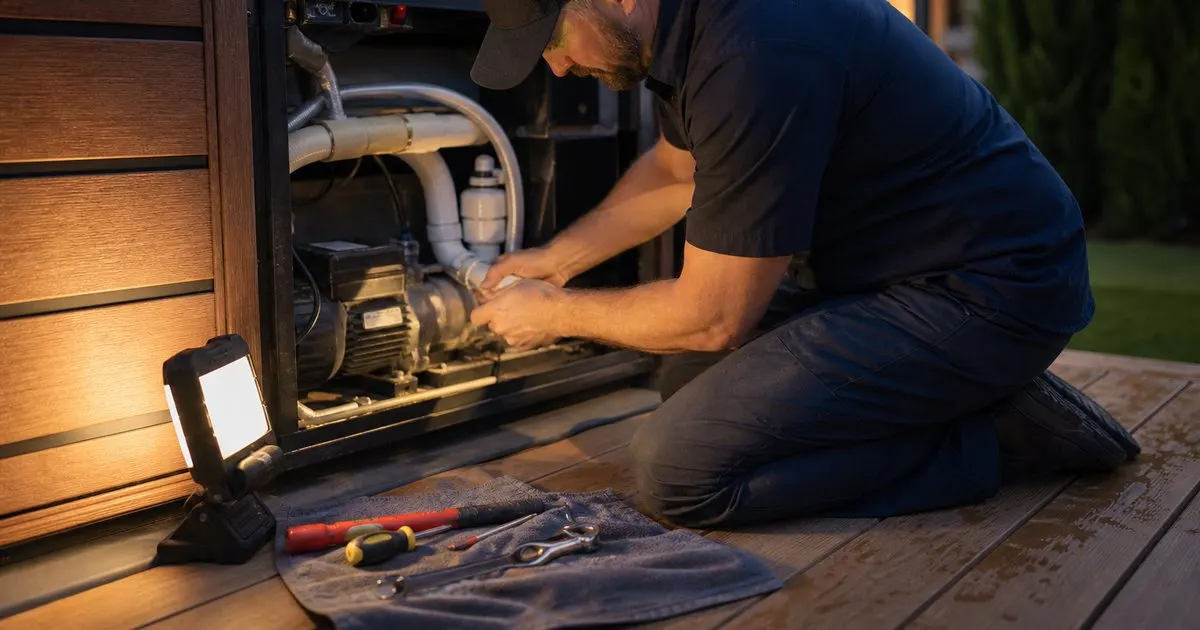
A luxury spa ages on two schedules at once. The structure, meaning the shell, the substrate supporting it and the frame under the cabinet, is built to outlast everything attached to it, and a well made acrylic shell on a properly supported pad commonly stays sound for fifteen to twenty years or more. The equipment bay runs on a far shorter clock, because pumps, heaters, seals, sanitizer cells and electronics are consumable machinery working in hot, wet, chemically active conditions every day of the year. Related: Which shell material lasts longest in a premium outdoor hot tub?
Reading a spa's life through the second clock rather than the first explains most owner disappointment. People hear that a spa lasts twenty years and picture two decades without invoices, when the honest picture is a durable vessel supported by parts replaced on a rolling basis. Budgeting a modest annual sum for wear items from the first season, rather than absorbing a surprise in year six, turns ownership into a predictable expense and makes the repair or replace decision far less emotional when it finally arrives.
Keep reading: How much difference is there between a hot tub and a swim spa?, Which shell material lasts longest in a premium outdoor hot tub?, What does energy efficient insulation really mean for a luxury spa?. See how Spaholm helps you a considered guide to luxury hot tubs and swim spas.
The wear items, roughly in the order they go
The cover is almost always first. Foam cores absorb moisture from the vapor they trap, and a saturated cover grows heavy, insulates poorly and stresses both the lifter and the cabinet edge. Owners in demanding climates typically replace a cover every few years, and a cover that has become awkward to lift alone has already been raising your energy use for months. Filters are the other routine consumable, rotated and cleaned through the season and replaced on a schedule measured in seasons rather than years. Pillows and headrests, sitting at the waterline where sanitizer concentrates, follow closely behind. Related: Why does a premium cover matter more than most hot tub buyers expect?
Deeper in, the pattern is predictable. Jet bearings become noisy and stop spinning, ozone or ultraviolet cells reach the end of their rated output and quietly stop working while the spa still appears to run normally, and pump seals begin to weep long before a motor actually fails. Heater elements accumulate scale in hard water and eventually open. Control packs and circuit boards fail from moisture intrusion or a rodent visit. None of this indicates a poor spa. It is the maintenance curve of any appliance that heats hundreds of gallons continuously. Related: How difficult is it to maintain water quality in a swim spa?
What actually ends a spa early
Very few premium spas die of old age. They die of freezing, of water chemistry, or of a small leak that nobody chased. A power outage during a hard freeze, or a spa left unheated over winter without being properly drained and blown out, can split plumbing in dozens of places behind full foam insulation, and that repair often exceeds what the spa is worth. Chronic low pH slowly attacks heater elements, seals and metal fittings, while sustained high sanitizer levels degrade pillows, gaskets and every surface above the waterline.
Leaks are the quiet killer. A weeping union or a hairline crack at a fitting saturates the foam, drops the water level, exposes the heater and sets up a much larger failure. Rodents nesting in a warm equipment bay chew line voltage wiring and low voltage sensor leads, which is why a sealed cabinet and a clear perimeter matter more than they sound. So does drainage: a pad that ponds keeps the underside of the cabinet permanently damp and shortens the life of everything sitting on it. Related: When does a swim spa make more sense than a full pool?
Repair, replace, and buying for serviceability
The practical rule is to weigh the quoted repair against the remaining life of the vessel. Replacing a pump, a heater or even a complete control pack on a sound ten year old shell is usually good value, because those parts restore normal function for years. A structural crack in the shell, a delaminated substrate, widespread freeze damage inside the foam, or an obsolete controller with no available replacement all point the other way, since the cost approaches a meaningful share of a new spa without renewing the components that were already tired.
That calculation is really set at purchase, not at failure. Ask the dealer how long parts remain available after a model is discontinued, whether controllers and pumps are standard components shared across the line or proprietary to one series, and how the plumbing is reached under full foam insulation. Spas built with service channels, labeled unions and mainstream components stay economically repairable for years longer than sealed designs. That question deserves as much weight in the showroom as jet count or cabinet color.
- Expect a shell and frame measured in decades and an equipment bay measured in years, and budget for wear items from the first season.
- Covers, filters and pillows go first, followed by jet bearings, sanitizer cells, heater elements and pump seals in a fairly predictable order.
- Freeze damage, chronic chemistry problems, ignored leaks, rodents and a poorly drained pad end far more spas than ordinary wear does.
- Repairs on a sound shell are usually worth making, so ask about parts availability and plumbing access before you buy rather than after a failure.

Julien Jimenez
Julien Jimenez is an independent software builder based in Paris. He designs, ships, and operates focused SaaS products for small businesses and independent professionals. Read the full author page.
Warm Water, Ready When You Are
A considered guide to luxury hot tubs and swim spas. Spaholm is built to help you put this into practice.
Compare spasMore from the Spaholm blog
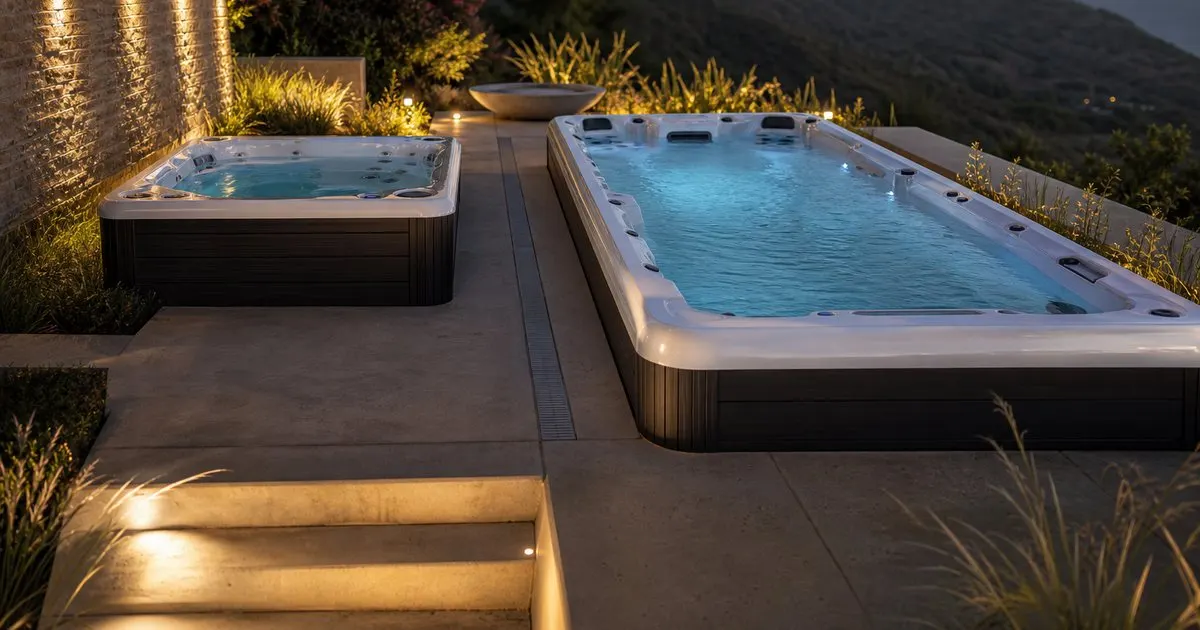
How much difference is there between a hot tub and a swim spa?
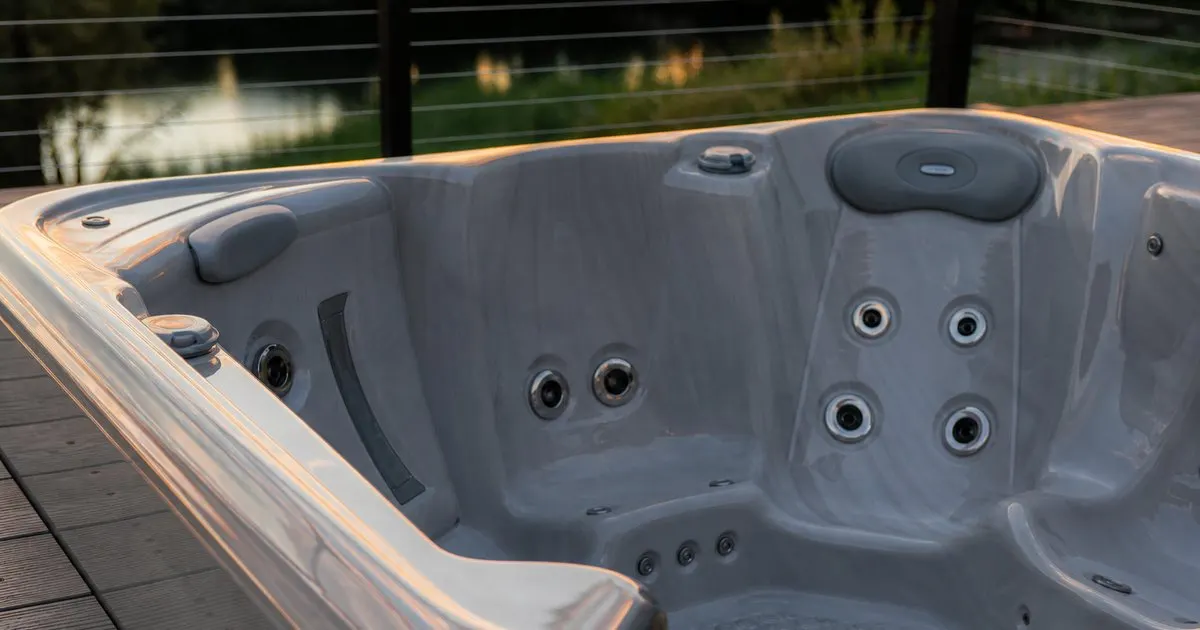
Which shell material lasts longest in a premium outdoor hot tub?
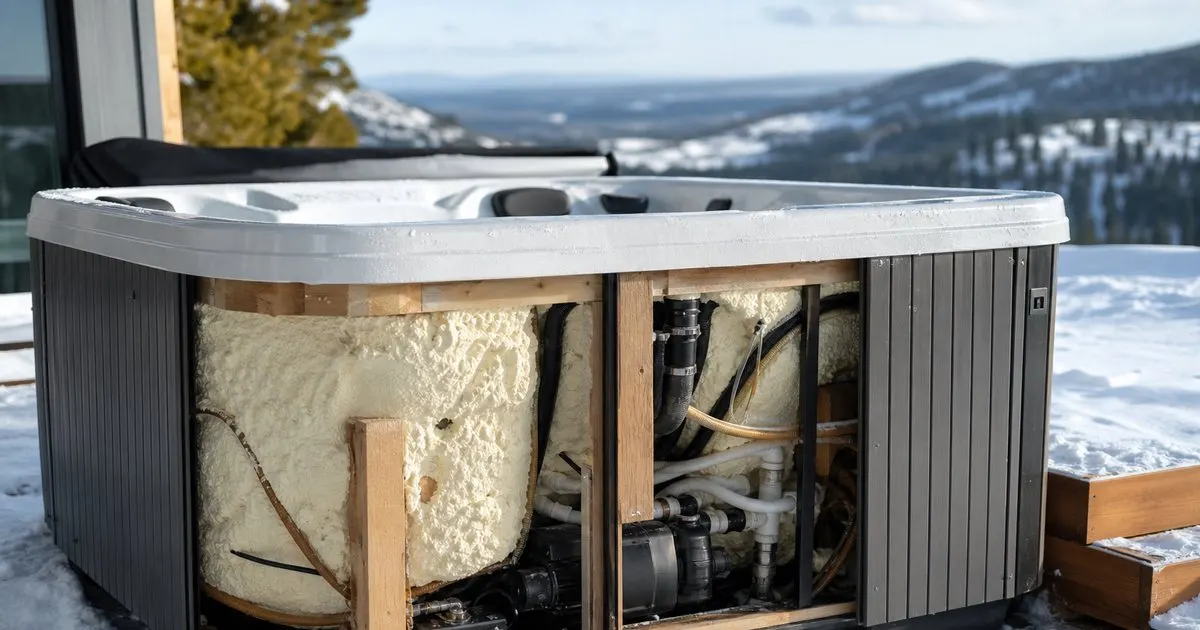
What does energy efficient insulation really mean for a luxury spa?
Get the complete luxury hot tubs and swim spas guide
Our full buying guide, the price guide, and new research as we publish it. One email, no spam, unsubscribe any time.