How much does a luxury hot tub really cost to run each month?
The honest answer depends on your electricity rate, your climate, and your cover. This guide shows how to estimate your own number rather than trusting a brochure average that was calculated somewhere warmer than your backyard.

Electricity: the number that dominates
Electricity is the largest ongoing cost, and it comes from two places. The heater, commonly rated in the 4 to 5.5 kilowatt range on a 240-volt spa, runs to replace heat that escapes; the pumps run for filtration on a schedule and at full power whenever you turn the jets on. How often the heater runs depends on the outdoor temperature, wind exposure, the quality and condition of the cover, the insulation, the set temperature, and how long the cover is open each day. That is why any national average is close to meaningless for a specific backyard. Related: Why do jet configuration and pump power define the hydrotherapy experience?
Estimating your own figure is straightforward. Take your electricity rate per kilowatt-hour from your bill, the heater and pump ratings from the specification sheet, and the daily hours of heater operation, which some control systems report and which an inexpensive circuit-level energy monitor will measure precisely. Multiply kilowatts by hours by rate by thirty, and do it separately for a summer month and a winter month. Many owners simply compare bills from the month before installation and the month after, which captures everything, including the pumps and the cover's real performance.
Keep reading: How much difference is there between a hot tub and a swim spa?, Which shell material lasts longest in a premium outdoor hot tub?, What does energy efficient insulation really mean for a luxury spa?. See how Spaholm helps you a considered guide to luxury hot tubs and swim spas.
Water, chemicals, and consumables
Consumables are the second line. Sanitizer, shock, pH adjusters, test strips, and filter cleaner are the basics, and their cost depends on the system: a salt cell, an ozone module, a UV lamp, and mineral cartridges each replace some manual dosing but bring their own replacement schedule. Most owners drain and refill every three to four months, more often with heavy use, and each refill costs water plus the electricity to heat a full shell from tap temperature. Filters are typically replaced around once a year, with cleaning in between.
For a typical hot tub with moderate use, the monthly chemical spend is modest compared with the electricity line, though a swim spa's much larger water volume changes that arithmetic. Buying sanitizer in larger quantities from a pool and spa supplier is usually cheaper than small dealer bottles, and many dealers run water-care programs that bundle testing and chemicals for a flat fee. Keep the receipts for the first year; the total is the only number that matters, and it will be your number, not a brochure's. Related: How difficult is it to maintain water quality in a swim spa?
The costs that arrive in years, not months
Some ownership costs do not appear on a monthly bill but belong in the budget. A cover typically lasts five to seven years. Pump seals, heater elements, control boards, ozone modules, salt cells, and jet inserts all have service lives, and cabinet panels weather. Extended warranties, service-call fees once the standard warranty ends, and any increase in homeowner's insurance round out the list. None of these are surprises if you set aside a small monthly reserve from the start.
This is where the luxury tier earns some of its premium back. Better insulation and a denser cover reduce the electricity line every month; better pumps, heaters, and plumbing fail less often; and thicker shells resist the damage that becomes an expensive repair. The counterweight is that parts for a premium spa cost more when they do need replacing, so a good dealer relationship and a realistic reserve matter more, not less, at the top of the market. Related: What does energy efficient insulation really mean for a luxury spa?
Lowering the number without lowering the experience
The cover is the biggest lever: keep it in good condition, close it the moment you climb out, and add a floating thermal blanket beneath it in winter. Lowering the set temperature by a couple of degrees, tuning filtration cycles to what the water actually needs, using economy mode during a week away, and shielding the spa from wind with a fence or planting all reduce heater run time. If your utility offers time-of-use pricing, schedule filtration and the heavier heating for off-peak hours. Balanced water keeps the heater element free of scale, which keeps it efficient.
What does not work: dropping the water far below soaking temperature between uses and reheating each time, which usually costs more than holding it steady, and switching the spa off entirely in cold weather, which invites freeze damage. The honest framing is that a hot tub is a monthly utility, like heating the house, and the variable you control most is the cover. A luxury spa's insulation package is exactly the place where the purchase premium pays itself back, one heater cycle at a time. Related: Should you place a luxury hot tub above ground or fully recessed?
- Electricity dominates, driven by heater run time, which depends on climate, cover quality, insulation, set temperature, and rate per kilowatt-hour.
- Estimate your own cost from the spec sheet, your bill, and measured heater hours, or compare bills before and after installation.
- Chemicals and water changes are a modest second line for a hot tub, larger for a swim spa, plus a reserve for covers and components.
- The cover, a slightly lower set temperature, economy mode when away, and off-peak scheduling cut costs without cutting comfort.

Julien Jimenez
Julien Jimenez is an independent software builder based in Paris. He designs, ships, and operates focused SaaS products for small businesses and independent professionals. Read the full author page.
Warm Water, Ready When You Are
A considered guide to luxury hot tubs and swim spas. Spaholm is built to help you put this into practice.
Compare spasMore from the Spaholm blog
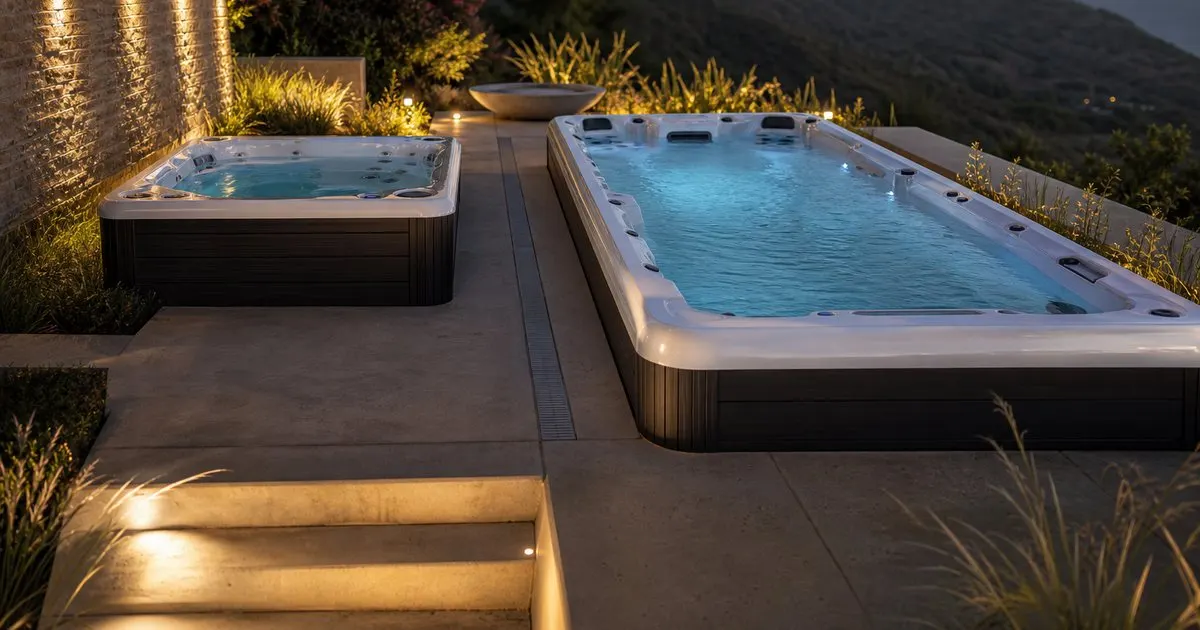
How much difference is there between a hot tub and a swim spa?
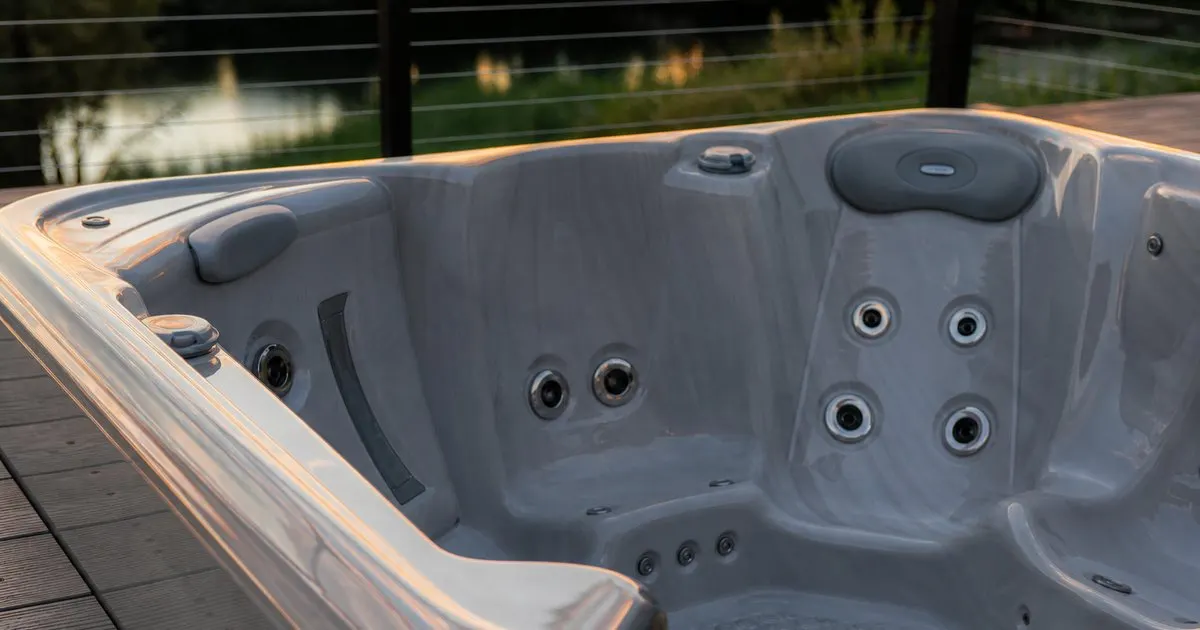
Which shell material lasts longest in a premium outdoor hot tub?
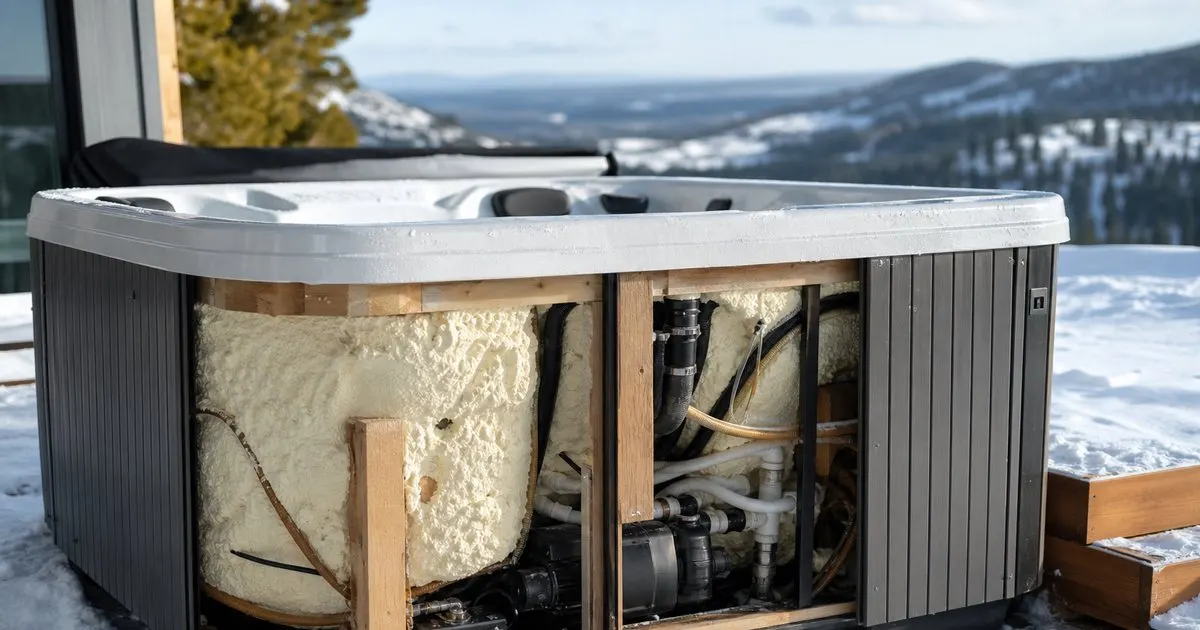
What does energy efficient insulation really mean for a luxury spa?
Get the complete luxury hot tubs and swim spas guide
Our full buying guide, the price guide, and new research as we publish it. One email, no spam, unsubscribe any time.