When should you winterize a luxury hot tub instead of running it all winter?
For most owners of a well-insulated spa, winter is the best season to be in it. Winterizing makes sense in a handful of situations, and doing it carelessly is the most common way to crack a plumbing manifold.
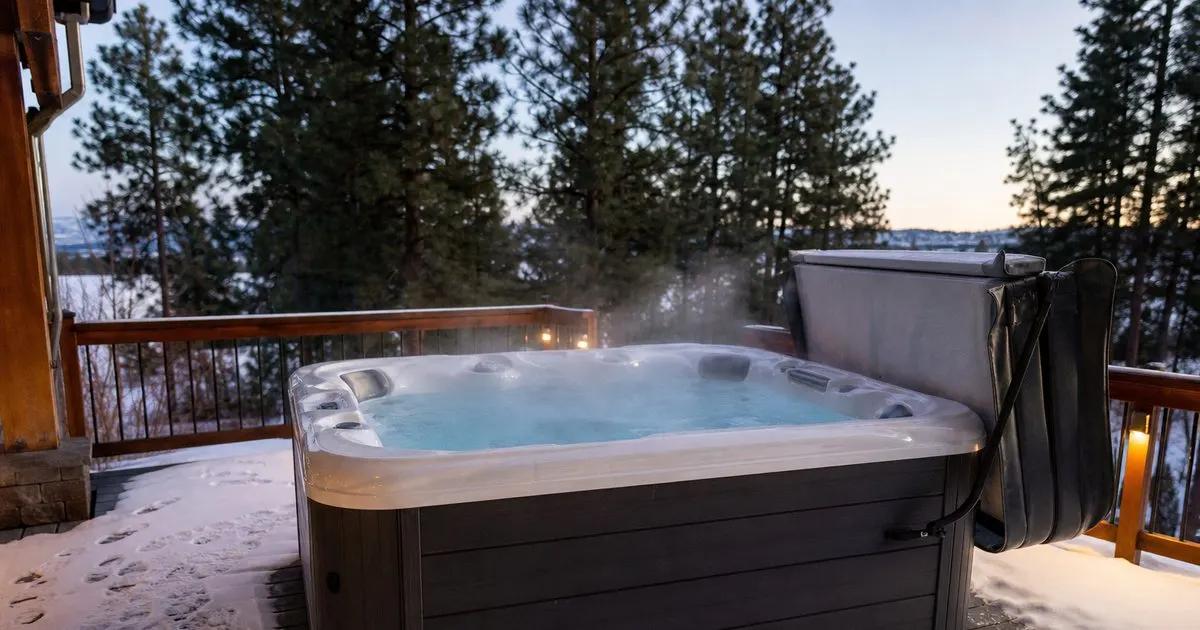
Why running it through winter is usually the better call
A premium spa is built for exactly this. Full-foam or multi-layer insulation, a dense tapered cover, and a heater sized for the shell mean the water holds temperature through cold nights with the heater cycling on for a fraction of the day. The controls include freeze protection that runs the pumps whenever the water temperature drops toward a set threshold, so moving water keeps the plumbing from freezing even if the heater falls behind. A spa that is powered and full is, in most climates, safer than a spa that has been drained by an inexperienced hand. Related: Which shell material lasts longest in a premium outdoor hot tub?
The trade is heating cost against the labor and risk of winterizing, and in a well-insulated spa the heating cost is usually the smaller number. It also happens that a snowy evening in 102-degree water is the reason many people bought the spa in the first place. Keep the cover clear of snow, keep a path to the steps free of ice, and consider slightly longer filtration cycles in deep cold so water moves more often. Beyond that, winter ownership looks a lot like the rest of the year. Related: How difficult is it to maintain water quality in a swim spa?
Keep reading: How much difference is there between a hot tub and a swim spa?, Which shell material lasts longest in a premium outdoor hot tub?, What does energy efficient insulation really mean for a luxury spa?. See how Spaholm helps you a considered guide to luxury hot tubs and swim spas.
The cases where winterizing is the right answer
Winterizing earns its place when nobody will be near the spa for an extended period in a cold climate: a seasonal cabin closed until spring, a long winter abroad, or a house sitting empty during a sale. It also makes sense where the power supply is unreliable and outages can last for days, because freeze protection cannot run without electricity. A spa with a known fault that cannot be repaired before a hard freeze should be drained rather than left to gamble, and so should a spa whose circuit will be cut during a renovation.
Before you drain, consider the alternatives. A remote monitoring app or a simple wireless temperature sensor with alerts lets you react to a problem from anywhere. A trusted neighbor with a key and a phone number for your dealer covers most short outages. A portable generator sized to run the circulation pump, not the heater, can keep water moving through a multi-day outage. Many dealers offer vacation checks and emergency freeze calls, and the price is usually modest against the cost of a cracked manifold.
How to winterize without cracking the plumbing
The sequence is straightforward but every step matters. Cut power at the breaker, drain the shell through the drain valve or with a submersible pump, remove and clean the filters, and open the pump unions so the pump housings empty. Then use a wet-dry vacuum in blow mode at every jet and at the drain to push residual water out of the lines and the heater tube, and vacuum the footwell dry. Many owners add non-toxic propylene glycol spa antifreeze to the jets and lines for extra margin; never use automotive antifreeze. Clean the shell, and secure the cover with a tarp over it to keep meltwater out. Related: Why do jet configuration and pump power define the hydrotherapy experience?
The failures happen in the low points you cannot see: a pump wet end, the heater tube, a check valve, or a sagging run of flexible pipe that holds a cup of water. When that cup freezes, it expands and splits the fitting, and you discover it in spring as a leak inside the cabinet. This is why most dealers offer winterization as a service, and why hiring them is reasonable relative to the repair. If you do it yourself, ask the dealer how they do it on your specific model, and check whether the warranty expects professional winterization.
Restarting in spring and what to look for
Reinstall the filters, retighten the unions, close the drain, and fill through the filter compartment so the lines purge air as they fill rather than trapping it in the pump. Inspect for leaks with the cabinet panels off before restoring power, then power up, prime the pumps, balance the water, and let the first heat cycle run with the cover on. Inspect the cover itself, since a winter under a tarp can trap moisture in the foam, and check that the ozone or UV module is operating.
If you winterized because of outages or absence, use spring to decide whether the same plan makes sense next year. A spa that sits empty through freeze-thaw cycles exposes its shell to conditions it was not designed for, and repeated draining and refilling is harder on components than steady operation. For most owners the better answer is to invest in monitoring, a generator plan, or a dealer service agreement, and to spend the winter in the spa instead of storing it. Make that decision before the first frost, not after. Related: When does a swim spa make more sense than a full pool?
- A powered, full, well-insulated spa with freeze protection is usually safer and cheaper in winter than a drained one.
- Winterize for long absences, unreliable power, or an unrepaired fault, and only after considering monitoring or a generator.
- Trapped water in pump housings, heater tubes, and low pipe runs is what cracks; blow out lines and consider spa antifreeze.
- Fill through the filter compartment in spring, check for leaks before power, and decide next winter's plan before first frost.

Julien Jimenez
Julien Jimenez is an independent software builder based in Paris. He designs, ships, and operates focused SaaS products for small businesses and independent professionals. Read the full author page.
Warm Water, Ready When You Are
A considered guide to luxury hot tubs and swim spas. Spaholm is built to help you put this into practice.
Compare spasMore from the Spaholm blog
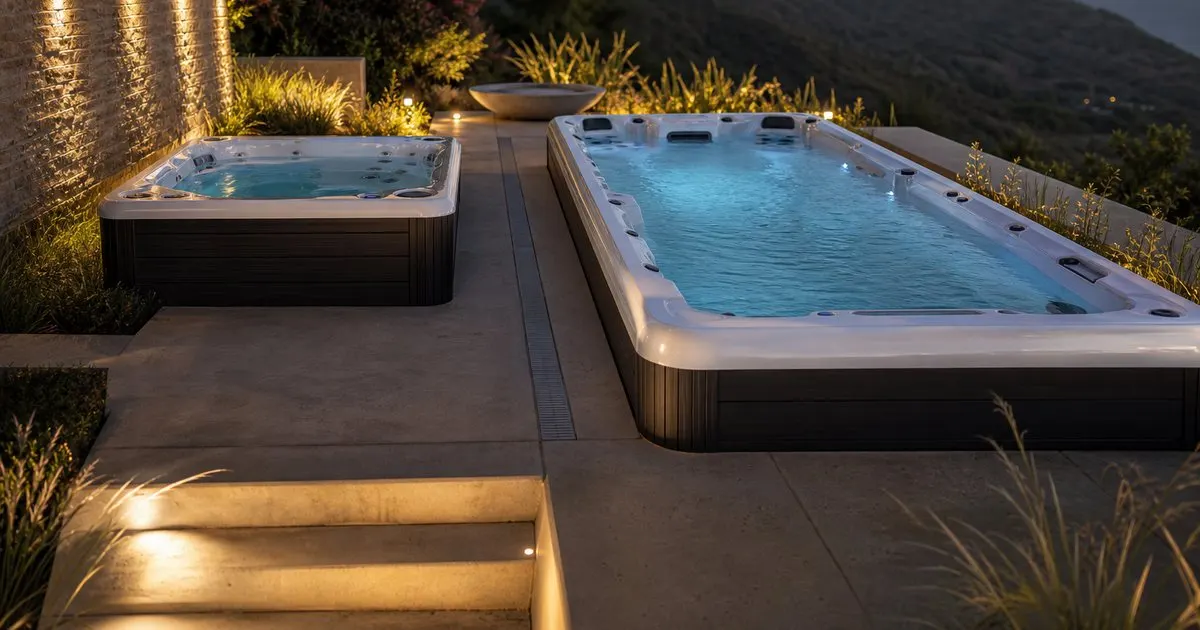
How much difference is there between a hot tub and a swim spa?
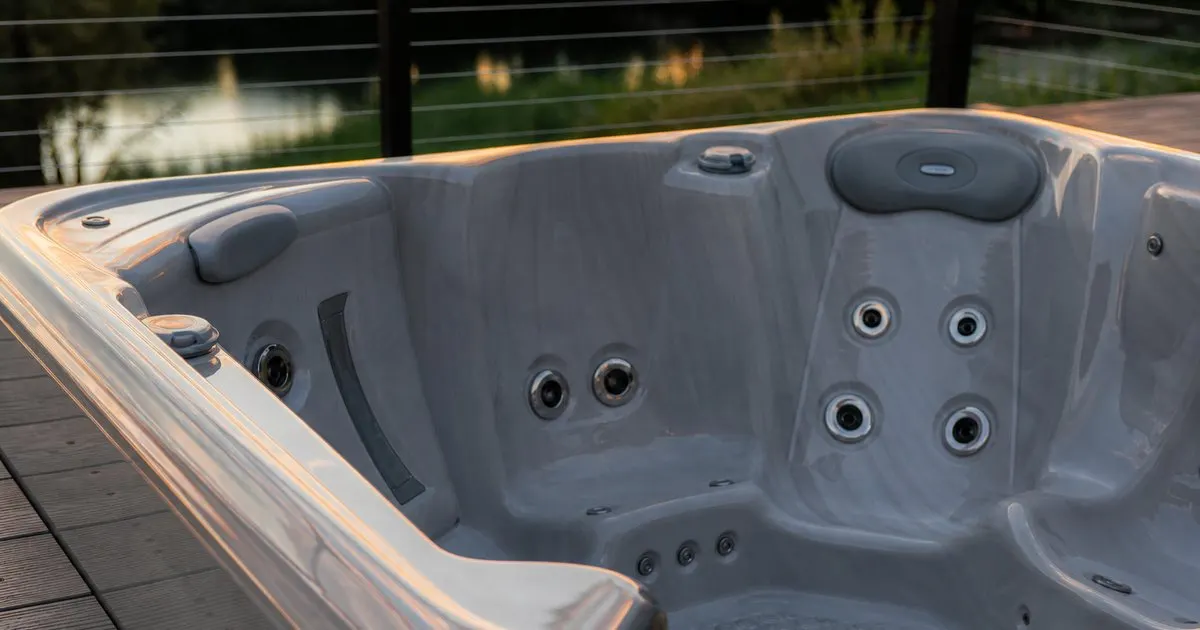
Which shell material lasts longest in a premium outdoor hot tub?
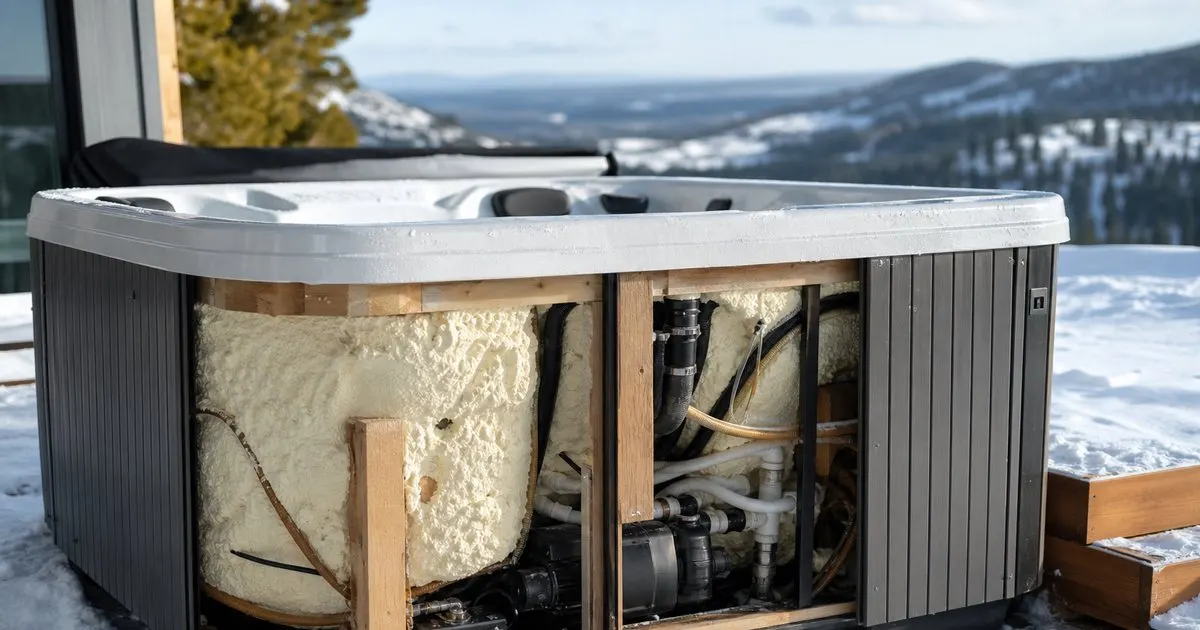
What does energy efficient insulation really mean for a luxury spa?
Get the complete luxury hot tubs and swim spas guide
Our full buying guide, the price guide, and new research as we publish it. One email, no spam, unsubscribe any time.